



Minnesota: Where Nature, Culture, and Community Thrive

Minnesota offers an irresistible blend of natural beauty, cultural richness, and community spirit. Known as the Land of 10,000 Lakes, this northern gem boasts serene forests, sparkling waters, and four distinct seasons that each bring their own kind of magic. From the artistic energy of Minneapolis to the warm, small-town charm of rural communities, Minnesota welcomes you with open arms. Whether you're seeking outdoor adventure, a strong economy, or a place to build lasting memories, Minnesota is a destination where you don’t just visit—you belong.

Click On Your County

Click on your county below to explore everything you need to know—local businesses, helpful resources, community highlights, and more. Each county page is a dedicated hub designed to connect you with what's happening in your region. Just choose your location and get instantly transported to your county’s guide. It’s the easiest way to stay informed, shop local, and discover what makes your community thrive.

Aitkin

Anoka

Becker

Beltrami

Benton

Big Stone

Blue Earth

Brown

Carlton

Carver

Cass

Chippewa

Chisago

Clay

Clearwater

Cook

Cottonwood

Crow Wing

Dakota

Dodge

Douglas

Faribault

Fillmore

Freeborn

Goodhue

Grant

Hennepin

Houston

Hubbard

Isanti

Itasca

Jackson

Kanabec

Kandiyohi

Kittson

Koochiching

Lac qui Parle

Lake

Lake of the Woods

Le Sueur

Lincoln

Lyon

McLeod

Mahnomen

Marshall

Martin

Meeker

Mille Lacs

Morrison

Mower

Murray

Nicollet

Nobles

Norman

Olmsted

Otter Tail

Pennington

Pine

Pipestone

Polk

Pope

Ramsey

Red Lake

Redwood

Renville

Rice

Rock

Roseau

Scott

Sherburne

Sibley

St. Louis

Stearns

Steele

Stevens

Swift

Todd

Traverse

Wabasha

Wadena

Waseca

Washington

Watonwan

Wilkin

Winona

Wright

Yellow Medicine

Welcome to Minnesota: A Place to Visit,
A Place to Belong

Steeped in rich history and timeless stories, Minnesota has long stood as a testament to American resilience and progress. From its early days as a hub for Native American tribes like the Dakota and Ojibwe, to its key role in the fur trade and westward expansion, the state has preserved its heritage through well-maintained landmarks and vibrant traditions. Fort Snelling, perched above the convergence of the Mississippi and Minnesota Rivers, tells tales of early settlers and soldiers. Meanwhile, small towns and major cities alike take pride in local museums and historical districts that keep the spirit of the past alive and accessible for all who visit.

Beyond its history, Minnesota captivates with its breathtaking natural beauty. Nicknamed the "Land of 10,000 Lakes," the state boasts shimmering waters, rolling prairies, and towering forests that change with the seasons. Explore the dramatic cliffs of the North Shore along Lake Superior or get lost in the serenity of the Boundary Waters Canoe Area Wilderness. Take a scenic drive through Bluff Country or hike the Mississippi River trails as bald eagles soar overhead. With more than 70 state parks and countless hiking, biking, and fishing spots, the state offers a rich tapestry of outdoor adventures year-round—from summer boating to winter snowshoeing.

Minnesota also shines through its cultural diversity and deep sense of community. In the Twin Cities of Minneapolis and Saint Paul, vibrant arts scenes and international festivals reflect the rich blend of cultures that call the state home. You'll find Somali markets, Hmong New Year celebrations, Scandinavian heritage centers, and Native American powwows—all thriving side-by-side. Museums like the Walker Art Center and the Science Museum of Minnesota cater to curious minds, while universities such as the University of Minnesota foster education and innovation. Whether you’re enjoying live music at a local venue or watching children play at a town festival, you’ll feel the unity and pride that bonds Minnesota’s communities.

A strong economy and high quality of life make Minnesota a top contender for those looking to relocate. The state boasts a balanced mix of urban conveniences and rural charm, with industries ranging from healthcare and agriculture to finance, clean energy, and tech. It’s home to several Fortune 500 companies and consistently ranks among the best states for healthcare access and education. Residents enjoy clean cities, efficient transportation, and a focus on sustainability. Add in a relatively low unemployment rate, affordable housing, and top-rated schools, and it’s easy to see why so many families and professionals choose to plant roots here.

Whether you’re planning a trip or searching for a fresh start, Minnesota welcomes you with open arms. Its four-season landscapes, rich traditions, and dynamic communities offer something for everyone—from nature lovers and artists to entrepreneurs and growing families. Here, you're not just passing through—you’re becoming part of something meaningful. Come experience Minnesota for yourself, where scenic beauty meets cultural richness, and where every visitor finds more than just a destination—they find a place to belong.
Helpful Resources for Visitors and New Residents:

Explore Minnesota Tourism – 1-888-TOURISM – www.exploreminnesota.com

Minnesota Historical Society – 1-844-667-8679 – www.mnhs.org

Minnesota Department of Natural Resources – 1-888-646-6367 – www.dnr.state.mn.us

Minnesota Department of Employment and Economic Development (DEED) – 1-651-259-7114 – www.mn.gov/deed

University of Minnesota – Admissions & Info – 1-800-752-1000 – www.umn.edu

Move to Minnesota Guide – 1-651-296-3985 – www.mn.gov/portal/residents/moving

Greater MSP (Economic Development Partnership) – 1-612-455-5630 – www.greatermsp.org

Population

5,737,915

Founded

1858

Land Area (sq miles)

79,627

Water Area (sq miles)

7,326

Largest City

Minneapolis

Capital

Saint Paul

Minnesota: Governance, Legislation, and Initiatives for
Progress

Minnesota’s government is grounded in time-tested structures and fueled by forward-thinking leadership to serve its nearly six million residents. The executive branch, led by the governor, oversees statewide departments like health, education, transportation, and natural resources. The governor proposes budgets, signs bills into law, and champions policies that shape daily life. The bicameral Legislature—made up of the Senate and House of Representatives—crafts and debates laws. Its committees evaluate policy proposals, oversee state agencies, and engage with the public to weigh community priorities. The judicial branch, headed by the Minnesota Supreme Court and supported by appellate and district courts, ensures fairness, interprets legislation, and maintains the rule of law. Together, these branches balance one another, promote transparency, and work collaboratively to strengthen Minnesota’s social and economic foundation.

Among recent legislative achievements, several bills stand out for their forward impact:

A clean energy standard law mandating utilities reach 80% carbon-free electricity by 2035 and 100% by 2040, aimed at stabilizing energy costs and boosting green jobs.

A bill expanding broadband access in rural areas through public-private partnerships, closing the digital divide and supporting remote learning, telemedicine, and small businesses in underserved communities.

A comprehensive mental health initiative that increases funding for school-based counseling and community treatment programs, improving early intervention, reducing emergency room visits, and promoting statewide wellness.

Legislation raising the statewide minimum wage on a tiered schedule up to $15/hour, combined with increased tax credits for low-income families, designed to lift employment standards and reduce poverty.

A child-care assistance act that expands eligibility and provider payment rates, making quality childcare more affordable for working parents and helping stabilize the workforce.

Building on this legislative foundation, Minnesota’s government has several ongoing programs that underline its commitment to residents. A “Small Towns Revitalization Fund” offers grants to rural communities to upgrade infrastructure, support entrepreneurship, and preserve local character. The “Green Jobs Accelerator” partners with colleges and industry to train workers in clean-tech and sustainable energy, meeting future workforce needs. Minnesota also operates a modern online portal for streamlined licensing and professional services, easing access for individuals and small businesses. To protect residents’ health, a statewide tuberculosis elimination plan targets vulnerable populations, drawing on community clinics and targeted outreach. Together, these initiatives reinforce Minnesota’s mission: to build a more equitable economy, foster innovation, and brighten opportunity for every resident.

Events: Your Cultural Calendar for Minnesota

Minnesota’s cultural scene is alive year-round with a tapestry of festivals, fairs, and celebrations that bring people together in joyous, community-driven experiences. Each event highlights the state's vibrant spirit, offering everything from music and food to art and family fun. Here’s a captivating look at the major happenings that make Minnesota shine:

Twin Cities Pride Festival kicks off each summer with a parade and multi-day celebration honoring LGBTQ+ communities. Expect dynamic stages featuring live music, drag performances, family zones with kid-friendly crafts, and a bustling market showcasing local artisans. The festival is a vibrant testament to diversity and inclusion, bringing hundreds of thousands together in unity and celebration.
Twin Cities Pride – 1700 University Avenue West, Saint Paul, MN 55104 – 651-649-8519 – www.tcpride.org

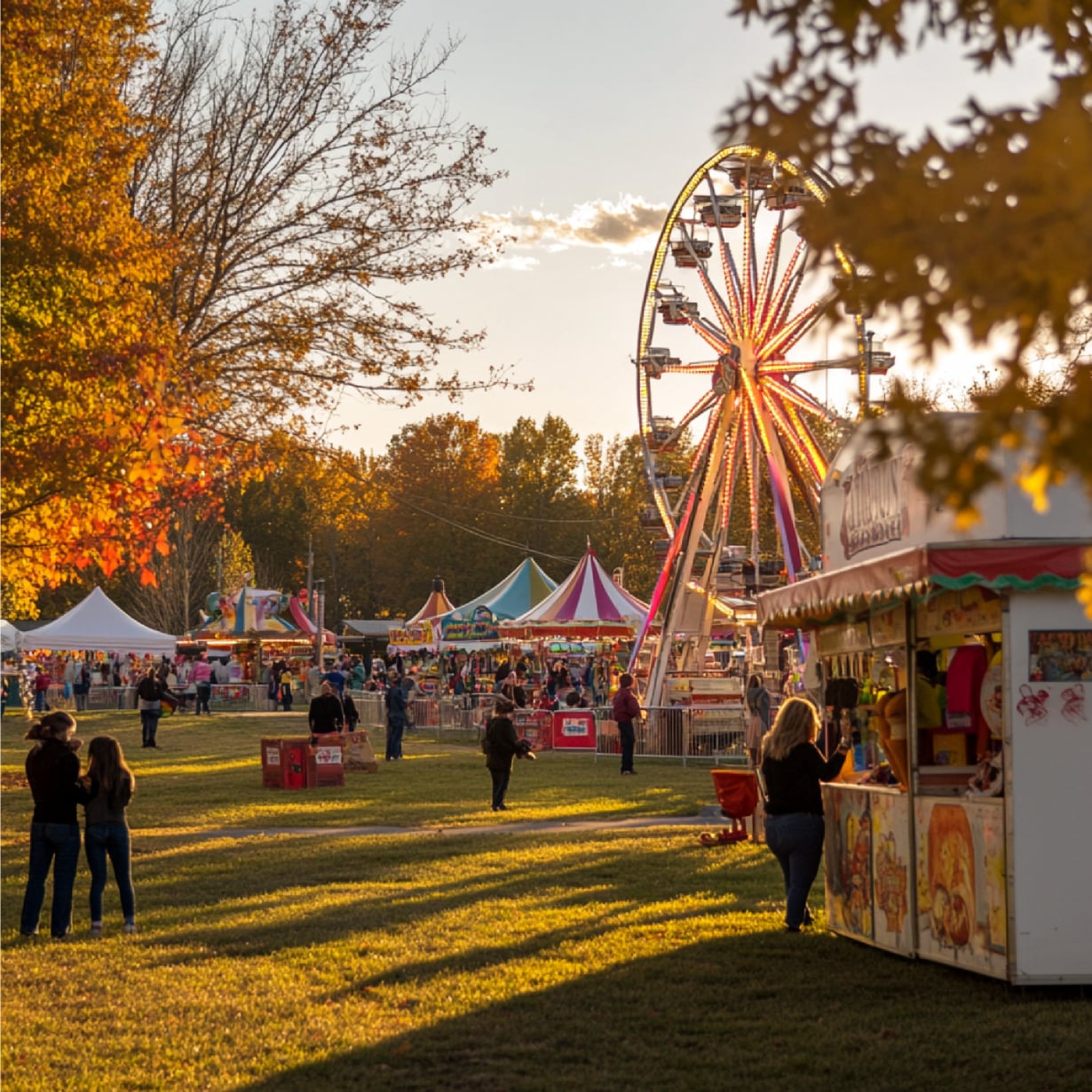
Minnesota State Fair, known as the Great Minnesota Get-Together, is one of the nation’s largest state fairs held every late August through Labor Day. This 12-day extravaganza highlights agricultural competitions, daily concerts on multiple stages, Midway rides, carnival food (hello fried goodies!), art exhibits, and live animal shows. It’s a highlight for families, farm folk, artists, and foodies alike.
Minnesota State Fair – 1265 Snelling Avenue North, Saint Paul, MN 55108 – 651-288-4415 – www.mnstatefair.org

Twin Cities Film Fest (TCFF) lights up late spring with an international selection of indie and documentary films. Screenings take place across modern theaters and historic venues, followed by director Q&As, panel discussions, and workshops. There’s an emphasis on local Minnesota filmmakers alongside global storytellers making this a hub of cinematic discovery and inspiration.
Twin Cities Film Fest – 2100 University Avenue West, Saint Paul, MN 55114 – 651-917-8099 – www.tcfilmfest.org

FinnFest USA celebrates Minnesota’s deep Finnish-American heritage, rotating among cities in the North. In July, this multi-day festival offers traditional folk music and dances, sauna sessions, Finnish food tastings, storytelling, and crafts like kantele workshops. It’s an immersive way to honor heritage and share it with visitors.
FinnFest USA – PO Box 1522, Nashua, NH 03061 – 651-308-9986 – www.finnfestusa.org

Duluth Air & Aviation Expo soars into summer in Duluth with an impressive display of vintage planes, aerobatic shows over the water, hands-on exhibits, and pilot meet-and-greets. Young visitors can explore flight simulators and STEM activities geared toward aviation education—a high-flying hit for families.
Duluth Air & Aviation Expo – 4700 Airport Road, Duluth, MN 55811 – 218-878-2200 – www.mnairshow.com

Syttende Mai Scandinavian Midsummer Festival pays tribute to Scandinavian heritage in early June in Bayfront Park, Duluth. Revelers enjoy folk dancing, live Scandinavian bands, traditional food like lutefisk and lefse, a parade, cultural booths, and kid-friendly crafts—offering a joyous slice of Nordic culture.
Syttende Mai Festival – 600 South Lake Avenue, Duluth, MN 55802 – 218-730-5339 – www.syttendemaifestival.org

Irish Fair of Minnesota, held in September in Saint Paul’s Harriet Island, welcomes Celtic culture with spirited bagpipe and Irish dance performances, storytelling, craft vendors, authentic food and drink, and kid zones full of face painting and Gaelic games. It’s an elegant celebration of Irish-American traditions and community.
Irish Fair of Minnesota – 218 Smith Avenue North, Saint Paul, MN 55102 – 651-222-4735 – www.irishfair.com

City of Lakes Loppet Winter Festival transforms Minneapolis in February into a snowy wonderland with cross-country ski races, snowshoe treks, pond hockey tournaments, dog sled demos, winter craft booths, and warming tents with hot soup and cocoa. Family-friendly routes and beginner clinics make this a crowd favorite.
City of Lakes Loppet – 1999 University Avenue West, Saint Paul, MN 55104 – 651-298-5499 – www.loppet.org

Rochesterfest lights up Rochester each June with outdoor concerts, carnival rides, a downtown parade, children’s art projects, food trucks, 3-on-3 basketball tournaments, and community wellness events. It’s a hometown celebration that draws crowds for its friendly atmosphere and lively lineup.
Rochesterfest – 201 4th Street Southeast, Rochester, MN 55904 – 507-285-8733 – www.rochesterfest.org

Industries That Drive Minnesota’s Economy

Minnesota’s agricultural sector has long been the backbone of its economy, weaving together rich soils, innovative farming practices, and global export markets. With its fertile plains stretching across southern and western regions, the state leads in the production of corn, soybeans, and sugar beets, while dairy farms dot the countryside alongside sunflower and potato fields. Family-owned operations coexist with large-scale, sustainable ag enterprises that utilize cutting-edge crop rotation, precision planting, and research-backed seed genetics. Cattle and hog farming also thrive, and Minnesota’s food-processing industry—spanning grain milling, dairy production, and packaged goods—adds significant value and jobs across the supply chain. This deeply rooted agricultural foundation supports rural economies, feeds communities, and positions the state as a major player in domestic and international food markets.
Minnesota Department of Agriculture – 625 Robert St N, Saint Paul, MN 55155 – 651-201-6000 – www.mda.state.mn.us

The manufacturing landscape in Minnesota is diverse and dynamic, boasting a legacy of innovation and quality craftsmanship. Heavy machinery, medical devices, and electronics are among the standout sectors, with giants like 3M, Medtronic, and Polaris anchoring the state’s industrial output. From heat-resistant filtration systems to cutting-edge pacemakers, Minnesota-made products have a global reach and reputation. Smaller manufacturers also thrive in niches such as food packaging, precision tools, and industrial automation. This wide array of products contributes billions annually to the economy, supporting research, export markets, and a workforce skilled in engineering, assembly, and supply-chain management. Through strategic investments in advanced manufacturing and industry-academia partnerships, the state ensures continuous growth and competitiveness in the global economy.
Minnesota Trade Office – 586 State Office Building, 100 Rev Dr Martin Luther King Jr Blvd, Saint Paul, MN 55155 – 651-556-0100 – www.mn.gov/deed/business/locating

Minnesota is emerging as a leader in renewable energy, harnessing its natural assets to power tomorrow’s clean economy. Wind farms sweep across the western prairies, contributing hundreds of megawatts of low-carbon electricity, while solar arrays on rooftops and rural fields expand rapidly. The state’s commitment to renewable standards has spurred innovation in energy storage, smart-grid technologies, and community solar models that allow residents and businesses to participate in clean energy generation. Experimental projects in bioenergy—such as agricultural waste-to-biofuel initiatives—are gaining momentum and help rural economies diversify their income streams. These efforts reduce greenhouse gas emissions, stabilize energy prices, and create thousands of new jobs in engineering, installation, and maintenance. Partnerships between government, utilities, research institutions, and private developers are essential in driving Minnesota’s green energy revolution.
Clean Energy Resource Teams (CERTs) – 551 Cedar St, Saint Paul, MN 55101 – 651-539-0096 – www.cleanenergyresourceteams.org

Supporting these robust sectors are several strategic initiatives and foundations that fuel innovation and growth. The Minnesota Agricultural Growth, Research, and Innovation (AGRI) program leverages public grants to modernize farm equipment, fund local food systems, and improve soil conservation. The Manufacturing Extension Partnership (MEP) helps small and medium-sized plants adopt smart technologies and lean manufacturing principles. For renewables, the Department of Commerce’s Division of Energy Resources administers incentives, tracks project progress, and supports community solar efforts. These initiatives collectively ensure sustainable economic development, strengthen rural and urban economies, and align Minnesota’s industry growth with environmental stewardship and workforce advancement.
Minnesota Pollution Control Agency – 520 Lafayette Rd N, Saint Paul, MN 55155 – 651-296-6300 – www.pca.state.mn.us

Discover Minnesota’s Living History: Iconic Sites & Stories Unfold

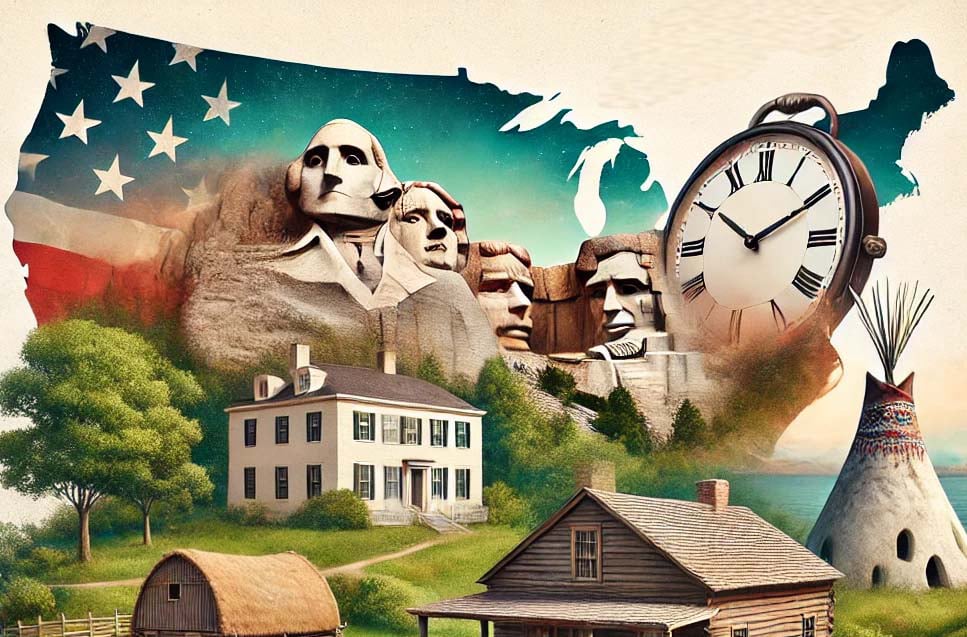
Minnesota’s rich tapestry of history stretches from early Indigenous cultures through frontier settlement, industrial breakthroughs, and modern innovation. Long before European settlers arrived, the Dakota and Ojibwe peoples thrived along the region’s bountiful waterways, developing traditions, trade networks, and spiritual ties to the land. With the opening of the fur trade in the 17th and 18th centuries, figures like Henry Hastings Sibley and fur-trading posts near Fort Snelling became epicenters of early commerce. As steamboats began navigating the Mississippi River, towns like Saint Paul and Minneapolis emerged, fueled by milling, timber, and railroads. Minnesota’s admission as the 32nd state in 1858 marked a commitment to growth, education, and community—a spirit that carried through the Homestead Act, the building of the Iron Range, and early labor movements.

The state’s journey through pivotal moments—such as the establishment of women’s suffrage, the Progressive Era’s social reforms, and influential labor strikes on the Iron Range—has shaped a legacy of civic engagement and social responsibility. Minnesota also played a critical role in global events: from producing iron ore for the World Wars to fostering the Mayo Clinic’s medical innovations and launching pioneering environmental conservation efforts. Minnesota’s past remains alive within its buildings, monuments, and preserved landscapes that stand as witnesses to a century of transformation and resilience.

Fort Snelling Historic Site – Near the confluence of the Mississippi and Minnesota Rivers, this early military fort (est. 1820s) showcases frontier military life, early U.S.–Native American relations, and 19th-century community development. Visitors can explore reconstructed barracks, interpretive exhibits, and heritage trails. – 200 Tower Ave, St. Paul, MN 55111 – 612-725-2000 – www.mnhs.org/fortsnelling

James J. Hill House – The lavish 1891 mansion of railroad magnate James J. Hill in Saint Paul, featuring Gilded Age architecture, period furnishings, and insights into the Upper Midwest’s railway boom and economic transformation. – 240 Summit Ave, St. Paul, MN 55102 – 651-297-2555 – www.mnhs.org/hillhouse

Mill City Museum – Located on the historic ruins of the Washburn “A” Mill in Minneapolis, this museum and site honors the flour milling industry that shaped the nation’s breadbasket, complete with multimedia exhibits and observation decks overlooking the Mississippi. – 704 S 2nd St, Minneapolis, MN 55401 – 612-341-7555 – www.millcitymuseum.org

Split Rock Lighthouse State Park – Standing sentinel on Lake Superior’s rocky shore since 1910, this lighthouse helped guide ships through treacherous waters. The park tells tales of maritime navigation, shipwrecks, and Great Lakes commerce, with guided tours and dramatic cliffside views. – 44538 Split Rock Lighthouse Rd, Beaver Bay, MN 55601 – 218-226-6372 – www.dnr.state.mn.us/state_parks/split_rock_lighthouse

Historic Fort Ridgely – A mid-19th-century military post nicknamed “the Gibraltar of the West,” Fort Ridgely played a key role during the 1862 Dakota War. The reconstructed fort grounds feature interpretive trails and programs about early settler and Indigenous history. – 7660 MN-4, Fairfax, MN 55332 – 507-426-8844 – www.royaltenenbaums.org/fort_ridgely

Pioneer Farm Museum & Village – Near Chaska, this open-air museum recreates Minnesota’s rural life from the 1850s to the early 1900s, with restored farmhouses, barns, heritage crafts demonstrations, and seasonal festivals celebrating farming traditions. – 100 Pioneer Trail, Chaska, MN 55318 – 952-361-5391 – www.pioneerfarmandvillage.org

These landmarks don’t simply display artifacts—they immerse visitors in the people and moments that forged Minnesota’s character. From commanding military outposts to rustic village settings and industrial marvels, each destination offers a window into the past. Together, they map a journey through eras of exploration, industry, struggle, and community-building—threads that continue to shape Minnesota’s identity and invite exploration of its enduring legacy.

A Cornerstone of Learning: Education in Minnesota

Minnesota is renowned for its exceptional education landscape, home to some of the nation’s most respected colleges, universities, and research institutions. Anchoring this foundation is the University of Minnesota–Twin Cities, a flagship public research university with a storied history dating back to 1851. With top-tier programs spanning engineering, medicine, agriculture, and social sciences, it nurtures innovation through leading-edge research in health sciences, robotics, and environmental sustainability. Students benefit from access to state-of-the-art labs, a sprawling campus environment, and hands-on learning opportunities in collaboration with local industries and hospitals. Across the state, strong public and private systems deliver quality education, from rural community colleges offering career-focused training to selective institutions fostering creativity and leadership. Minnesota’s commitment to education is also evident in its emphasis on equity initiatives, early childhood development, and continuing adult education, ensuring learners of all ages can grow skills, launch careers, and contribute meaningfully to their communities.

Beyond the university powerhouse, Minnesota is home to other esteemed institutions such as Macalester College in Saint Paul, celebrated for its global focus, rigorous liberal arts curriculum, and strong international student community. Minnesota State University, Mankato, champions high-impact fields like business, healthcare, and education, with strong internship affiliations and regional influence. The Mayo Clinic School of Medicine and its graduate programs deliver a world-class medical education and research environment famed for breakthroughs in biomedical science and patient care. Technical and community colleges—like Minneapolis Community and Technical College and Rochester Community and Technical College—bridge academic study with workforce training, offering programs in IT, healthcare, advanced manufacturing, and green technologies. These institutions all reflect Minnesota’s dedication to fostering well-rounded, career-ready graduates who help fuel innovation and economic vitality across the region.

University of Minnesota–Twin Cities – 100 Church St SE, Minneapolis, MN 55455 – 612-625-5000 – www.umn.edu

Macalester College – 1600 Grand Ave, Saint Paul, MN 55105 – 651-696-6000 – www.macalester.edu

Minnesota State University, Mankato – 130 Jubilee Hall, Mankato, MN 56001 – 507-389-1000 – www.mnsu.edu

Mayo Clinic School of Medicine – 200 First St SW, Rochester, MN 55905 – 507-284-2511 – www.mayo.edu/mayo-clinic-school-of-medicine

Minneapolis Community and Technical College – 1501 Hennepin Ave, Minneapolis, MN 55403 – 612-659-6500 – www.minneapolis.edu

Rochester Community and Technical College – 851 30th Ave SE, Rochester, MN 55904 – 507-285-7000 – www.rctc.edu

Health & Safety

Minnesota’s Commitment to Health and Safety: A Comprehensive Guide for Residents

Minnesota residents enjoy access to world-class healthcare, mental wellness, and emergency preparedness resources designed to keep individuals and communities safe and thriving. Major medical centers—including the Mayo Clinic in Rochester and the University of Minnesota Medical Center in Minneapolis—provide cutting-edge treatment, specialty care, and emergency services to patients from across the nation and globe. Regional hospitals like Abbott Northwestern and Regions Hospital offer high-quality trauma, cardiac, and pediatric care complemented by community clinics that extend services to rural and underserved areas. The Minnesota Department of Health serves as a hub for public health guidance, tracking outbreaks and promoting healthy living through vaccination campaigns and wellness programs.

Mental health support is woven throughout Minnesota’s healthcare ecosystem. Organizations like the National Alliance on Mental Illness (NAMI) Minnesota deliver peer-led support groups, family education, and advocacy services statewide, reducing stigma and improving access. Crisis centers and counseling services—often available through local hospitals and community mental health agencies—provide immediate assistance with trained professionals on-site and via helplines. School-based behavioral health initiatives and teletherapy options have expanded access for youth and remote communities, ensuring that emotional and behavioral care is available when and where it’s needed most.

Minnesotans are well-equipped for emergencies through programs that promote seasonal preparedness, vaccination, and general wellness. The Department of Health’s flu vaccine locator enables residents to find clinics and pharmacies offering free or low-cost immunizations, protecting communities before the cold season kicks in. Emergency readiness initiatives include summer heat safety tips, winter snowstorm checklists, and wildfire education for residents in vulnerable areas. Community wellness events—ranging from free health screenings to CPR training—further empower citizens to take charge of their family’s safety and well-being.

Mayo Clinic – 200 First St SW, Rochester, MN 55905 – 507-284-2511 – www.mayo.edu

University of Minnesota Medical Center – 2450 Riverside Ave, Minneapolis, MN 55454 – 612-273-3000 – www.umnhealth.org

Abbott Northwestern Hospital – 800 E 28th St, Minneapolis, MN 55407 – 612-863-4000 – www.allinahealth.org/abbott-northwestern

Regions Hospital – 640 Jackson St, Saint Paul, MN 55101 – 651-254-5000 – www.regionshospital.com

Minnesota Department of Health – 625 Robert St N, Saint Paul, MN 55155 – 651-201-5000 – www.health.state.mn.us

NAMI Minnesota – 1919 University Ave W #400, Saint Paul, MN 55104 – 651-645-2948 – www.namihelps.org

Crisis Connection (Dial 988) – Available statewide, phone access for mental health crises – 988 – www.crisisconnection.org

Statewide Flu Vaccine Finder – Available via Minnesota Department of Health website – www.health.state.mn.us/flu

Minnesota Ready (Emergency Preparedness) –
443 Lafayette Rd N, Saint Paul, MN 55155 – 651-201-5815 – www.mn.gov/mnready

L’Étoile du Nord

Translated from French as “The Star of the North,” Minnesota’s state motto reflects both its geographic identity and its aspirational character. Adopted in 1861, this phrase symbolizes Minnesota’s role as a guiding beacon in the upper Midwest—both literally, as one of the northernmost states in the continental U.S., and metaphorically, as a leader in education, civic engagement, and progressive ideals. The use of French pays homage to the early explorers and fur traders who were among the first Europeans to navigate the region. Over time, “The Star of the North” has come to represent the pioneering spirit of Minnesotans, their resilience in the face of harsh winters, and their dedication to community and innovation. It embodies the state’s commitment to charting a course rooted in integrity, inclusiveness, and forward momentum—qualities that continue to shine brightly across generations.